
Raleigh-Durham commercial real estate

The Avison Young Raleigh-Durham office provides commercial real estate services to property owners, investors and occupiers
Avison Young is one of the Triangle’s leading providers of integrated commercial real estate services. With offices in Raleigh and Chapel Hill, we offer full market coverage in and around the greater Raleigh-Durham area. Our organization, among the largest in the region, includes senior professionals with substantial bench strength in brokerage, property management, accounting, research and marketing, offering a level of service unparalleled in the Triangle. When it comes to office, industrial, retail, mixed-use and multifamily properties, we bring our global team of professionals to every transaction. In addition, we have one of the top research departments in the Triangle, offering quarterly insights into local and regional commercial real estate activities. The depth of our market research assures that we capitalize on the trends impacting our clients and their real estate needs.
Avison Young is grounded on a foundation powered by people. Our Principals are our owners, and they configure and re-shape our team and expertise around your business demands, ensuring that your commercial real estate needs will always be met. Pair our experts’ critical market knowledge with the best technology in the industry, and you gain solutions carefully tailored to create your unique competitive advantage.
Raleigh-Durham commercial real estate services
Avison Young’s brokerage team in Raleigh-Durham has consistently completed major leasing and investment sales transactions across all asset types. We’ve worked on the behalf of tenants, landlords, investors, vendors and buyers alike, including many large national and international corporate clients.
Whether you are an owner, investor, occupier or developer, we deliver results aligned with your strategic business objectives. Our Raleigh-Durham commercial real estate advisors are here to support your initiatives, add value, and build a competitive advantage for your organization.

Featured properties for sale / space for lease in Raleigh-Durham


Raleigh-Durham commercial real estate insights
Access to talent, employment and education continue to provide key market fundamentals.


Raleigh-Durham Case Studies


Raleigh-Durham commercial real estate news
-
 Avison Young celebrates Women of Influence, class of 2024April 18, 2024
 -
.jpg/ef28df96-d38d-5ba8-8fcb-5a9aa6753ebf?t=1713375377600) Avison Young announces $44.5 million sale of Natomas Corporate Center, a Class A Office Property in SacramentoApril 17, 2024
Avison Young announces $44.5 million sale of Natomas Corporate Center, a Class A Office Property in SacramentoApril 17, 2024 -
 Avison Young taps Lisa Jesmer as Florida Market LeaderApril 1, 2024
 -
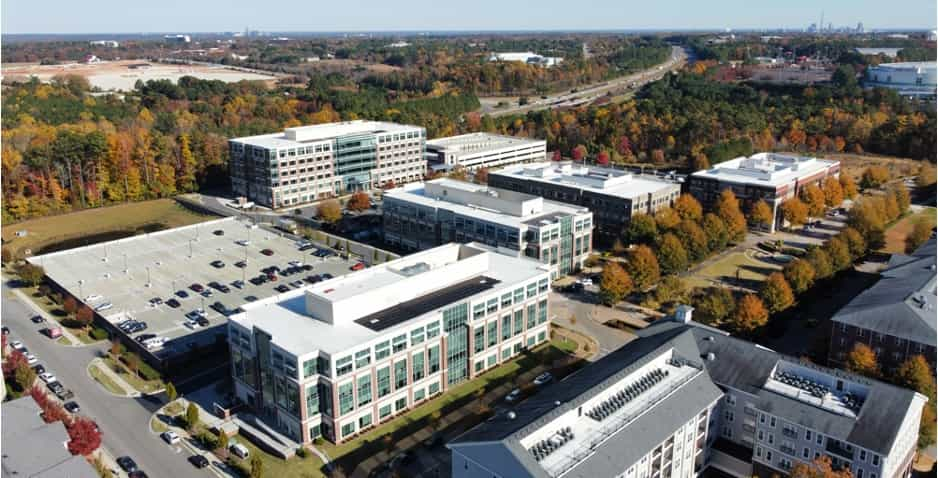 Cranfill Sumner LLP moving to Wade III in West Raleigh’s Wade Office ParkMarch 7, 2024


Raleigh-Durham commercial real estate consultants


Contact a commercial real estate broker in Raleigh-Durham
Please leave your details and an advisor will contact you.